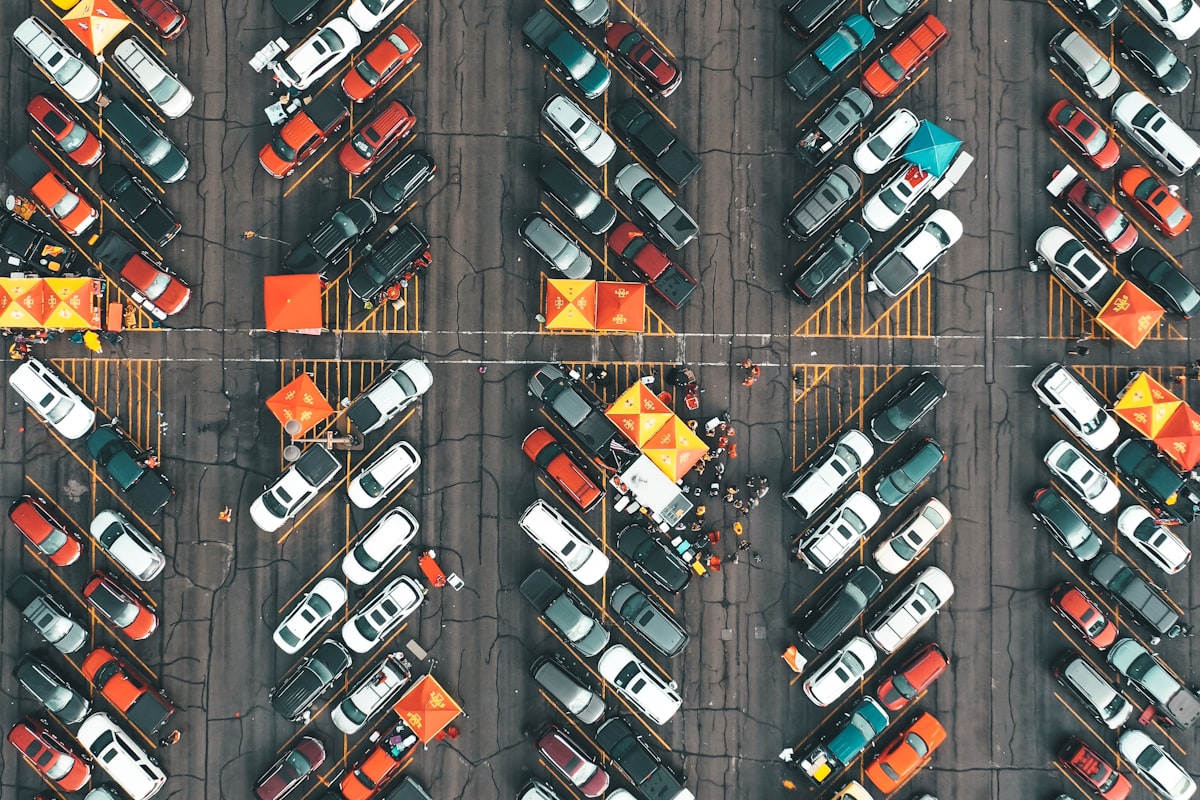
Short answer: The two things that actually damage a car at a tailgate are grease/charcoal ash left to sit and gravel-lot grime baked onto wheels — both get much harder to remove after about 24 to 48 hours. Keep the grill at least six feet from the car, blot spills immediately with a paper towel instead of rubbing, and clean wheels within a few days of a gravel-lot tailgate rather than waiting for the next game. Anything that's already bonded in — set-in grease stains, baked brake dust, a lingering smoke smell — needs an actual interior deep clean or tire and wheel detail, not another wipe-down.
Bay Area football season runs from early September through January, and for a lot of local fans that means a Sunday routine built around a stadium parking lot, not just a living room. Levi's Stadium sits right in Santa Clara — close enough to home base that we see the aftermath in our own bay every Monday during the season — and Stanford Stadium in Palo Alto adds a second cluster of home-game Saturdays to the calendar. Multiply one tailgate by a full season of home games and you've got a car that's absorbed a lot more grease, ash, and gravel-lot grime than anyone budgeted for when they were just excited about kickoff.
None of that damage happens in the moment. It happens in the hours and days after, when a grease spill nobody wiped up sits on carpet overnight, or brake dust from a gravel overflow lot gets a full week to bake into a wheel's clear coat before the next wash. The fix isn't complicated, but it does need to happen on a real timeline — not "eventually."
What Actually Threatens Your Car at a Tailgate
- Grease and charcoal ash from grilling near the car — splatter on paint, ash tracked into carpet on shoes, smoke residue settling into fabric.
- Cooler condensation and spilled drinks soaking into carpet and seat fabric, especially in a trunk or cargo area used as a staging table.
- Mud and dead grass ground into carpet and floor mats from walking back and forth across a stadium lawn or unpaved lot.
- Gravel-lot brake dust and dirt on wheels — stadium overflow lots are frequently gravel or dirt, and the stop-and-go crawl in and out of the lot generates more brake dust than a normal week of driving.
- Cooler and folding-chair scuffs on bumpers and paint from loading gear in and out of a packed trunk.
Before Kickoff: A 10-Minute Prep Routine
- Swap in rubber floor mats if you own a set, or lay towels down in the cargo area. Grooved rubber traps mud and spilled drinks instead of letting them soak into carpet, and it rinses off with a hose in the driveway afterward.
- Load the cooler on a towel or mat, never directly on carpet. Condensation off an ice-packed cooler will soak into fabric over a few hours parked in the sun, even if it never visibly "spills."
- Keep the grill and any charcoal at least six feet from the car, and further if it's windy — that distance protects against both hot grease landing on paint and smoke drifting straight into an open trunk.
- Park nose-out if the lot allows it. Loading and unloading gear from the front of a nose-out car keeps most of the foot traffic and grease-stained hands away from your back bumper and tailgate.
- Bring a roll of paper towels and a bottle of actual fabric or upholstery cleaner, not just hand sanitizer wipes. Sanitizer wipes are fine for hands; they don't lift grease from carpet.
During the Tailgate: What to Do the Moment Something Spills
The single highest-leverage habit all season is blotting, not rubbing, the second something hits the carpet or seat. Press a paper towel straight down to lift the liquid out; rubbing just spreads grease deeper into the fibers and pushes it toward the padding underneath, which is exactly what makes a stain hard to remove later. If you brought a dedicated fabric cleaner, treat the spot while it's still fresh — a five-minute delay costs you nothing, but an overnight delay lets grease start bonding into the fibers instead of sitting on top of them.
For ash and dry crumbs on carpet or in the trunk, vacuum before you drive home if you can, rather than letting foot traffic and highway vibration grind it deeper into the weave on the way. It sounds like overkill for a car ride home — it's the difference between a five-minute vacuum now and a full interior shampoo later.
Don't use dish soap or a generic all-purpose cleaner on paint that's caught grease splatter. Dish soap strips wax and sealant along with the grease, leaving bare paint more exposed until it's reapplied. A dedicated car wash soap or a quick-detail spray made for paint lifts grease without stripping the protective layer underneath.
What Happens If You Wait: A Realistic Damage Timeline
| Mess | If handled same day | If left 3–7 days | Fix once it's set in |
|---|---|---|---|
| Grease spill on carpet | Blot + fabric cleaner, fully removable | Bonds into fibers and padding, dark stain and odor set in | Interior deep clean |
| Charcoal ash, tracked in | Vacuum, gone | Ground into carpet weave, smoky odor lingers | Interior deep clean |
| Gravel-lot brake dust on wheels | Rinse + pH-balanced wheel cleaner, lifts easily | Bakes into clear coat, dull gray haze | Tire & wheel detail (etched dust beyond that isn't fixable without polishing, which we don't offer) |
| Grease splatter on paint | Quick-detail spray, no residue | Attracts more grime, can dull sealant | Hand wash + fresh sealant |
When It's Beyond a Wash
If grease has already set into carpet for more than a few days, or a lingering smoky smell from tailgate season won't air out with the windows down, that's no longer a spot-clean job — it's an interior deep clean, which reaches into padding and fabric with tools a spray bottle and rag can't match. If wheels have a dull gray film that survives a proper cleaning, that's baked-on brake dust and gravel grime bonded into the clear coat, and our tire and wheel detail strips everything that's still removable. What none of that fixes is a wheel or paint finish that's already etched or scratched from months of buildup — leveling that back to a like-new gloss is a machine polishing job, and XN doesn't offer machine polishing, abrasive paint restoration, or multi-layer protective coatings. We'll say so plainly rather than take an appointment we can't finish the way you'd want.
Season-ticket holders who go through this cycle every other Sunday tend to do better with a standing membership booked around the home schedule than waiting until January to deal with an entire season's buildup at once — by then it's several months of grease, ash, and brake dust competing for the same appointment instead of one manageable wash every couple of weeks.
The products we actually use
Interior work after a tailgate starts with Chemical Guys fabric and upholstery cleaners, strong enough to break down grease and ash residue without soaking carpet padding longer than necessary. Leather seats get Meguiar's leather cleaner and conditioner. On the exterior, wheels get their own pH-balanced cleaner and dedicated brush — never the mitt we use on paint — and every wash finishes with a Meguiar's or Gyeon paint sealant that holds roughly three months, which makes the next tailgate's grease and dust rinse off easier before it has time to bond in.
None of what we use is a multi-layer protective coating, and we don't sell one. If ash has already dulled a wheel's clear coat or grease has permanently discolored carpet from a season of neglect, sealant and a thorough cleaning won't restore either to factory condition — that's abrasive paint restoration work, which is outside what XN does. We'd rather tell you that directly than promise a result we can't deliver.
Frequently Asked Questions
How far should a grill actually be from my car at a tailgate?
At least six feet, and further if it's windy. That distance protects against two separate risks: hot grease or embers landing on paint and leaving a burn mark, and grill smoke drifting straight into an open trunk or cabin and soaking into the upholstery. Charcoal grills specifically should never go in a spot where you'll later back the car through drifting ash.
I already have grease stains on my carpet from a spilled plate. Is it too late?
Not immediately, but the clock matters. Blot (never rub) with a paper towel to lift what's still sitting on the surface, then treat with a dedicated fabric or upholstery cleaner within a few hours if you can. Grease that sits overnight starts working into the carpet fibers and padding underneath, and by 48 to 72 hours a lot of it has bonded in deep enough that a spray cleaner won't fully lift it anymore — that's when it becomes a job for an actual interior deep clean rather than a DIY spot-treatment.
Does charcoal ash actually damage a car, or is it just messy?
Both, depending on where it lands and how long it sits. On paint, fine ash is mildly abrasive, and wiping it dry instead of rinsing first can put light scratches into the clear coat. Tracked into carpet on shoes, it works into the fibers the same way outdoor dirt does, and it carries a smoky odor that gets worse the longer it's left, similar to what we cover in our guide to wildfire ash on paint.
How do I get brake dust and gravel-lot grime off my wheels after a stadium tailgate?
Let the wheels cool, rinse off loose grit first, then use a pH-balanced wheel cleaner with a dedicated wheel brush — never the mitt or cleaner you use on paint. Stadium and event lots are frequently gravel or unpaved overflow fields, which kick up more brake dust and ground-in dirt in one parking session than a week of normal driving. If the wheels already have a dull gray haze that survives a proper cleaning, that's baked-on dust bonded into the clear coat, and leveling that back to gloss is a wheel-refinishing job XN doesn't offer.
What's the actual difference between a quick wipe-down and calling in a professional after tailgate season?
A wipe-down handles anything still sitting on the surface — loose crumbs, a fresh spill, dust on the dash. It doesn't reach grease or ash that's already worked into carpet fibers and padding, odor that's settled into the cabin air system, or brake dust that's bonded into wheel clear coat. Those need an actual interior deep clean or tire and wheel detail, which use different tools and dwell times than a rag and an all-purpose spray.
Can XN come to my house between home games during the season?
Yes, and a lot of season-ticket holders do exactly that — book a standing appointment every other home game rather than letting five or six tailgates' worth of grime stack up by January. We bring everything we need; you just need an outdoor tap and a power outlet at your location, or you can drop off at our Santa Clara shop, about 10 minutes from Levi's Stadium.
Will a paint sealant actually protect against grease and ash during tailgating?
It helps with how easily things come off, not whether they land in the first place. A fresh sealant gives the clear coat a smoother, less porous surface, so grease splatter and ash rinse away in a normal wash instead of having time to bond in. It's not a substitute for keeping the grill six feet away or wiping a spill promptly — it just buys you a wider margin for error.
Book a Post-Tailgate Detail
Mobile to your driveway, or drop off at our Santa Clara shop — about 10 minutes from Levi's Stadium.
Book Now →