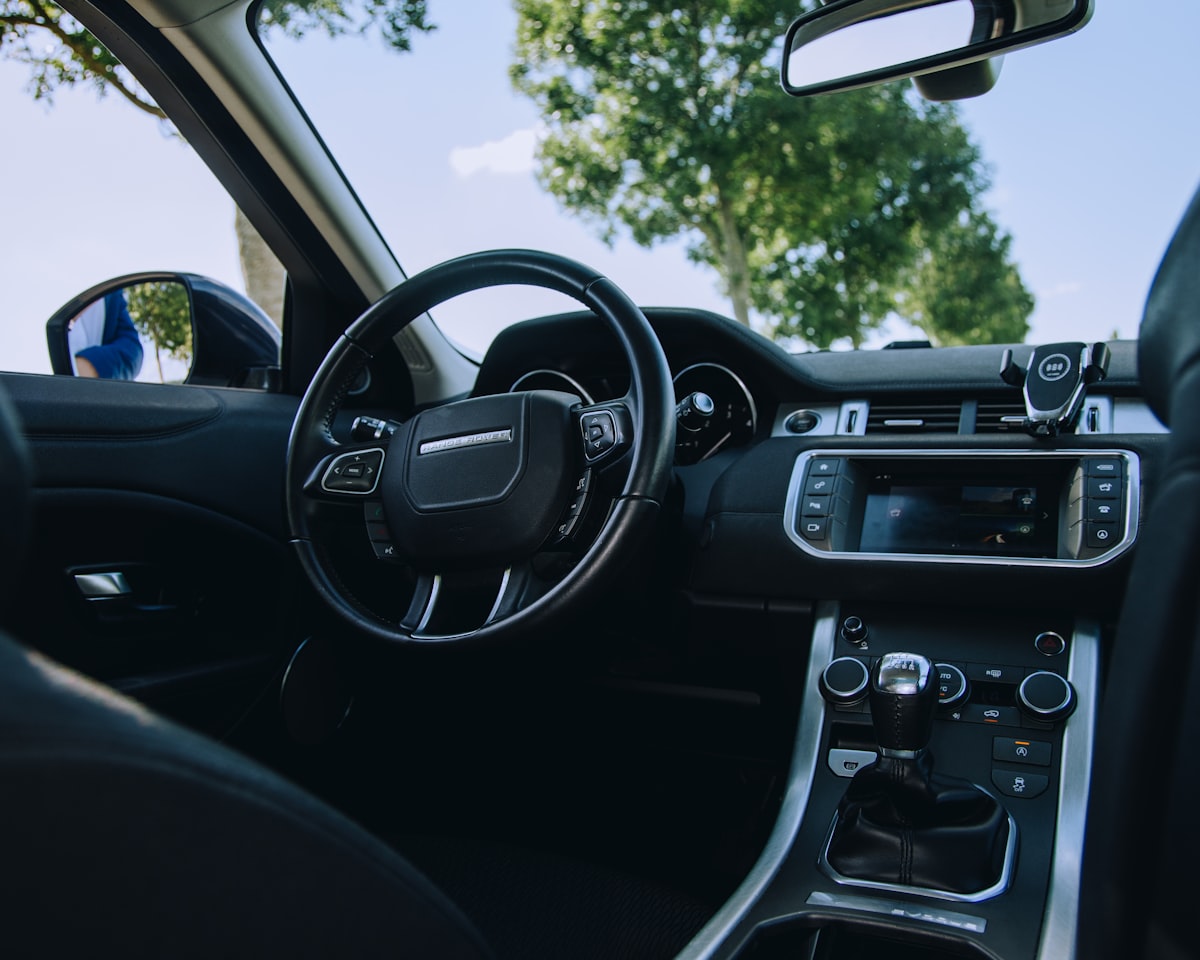
You open the car door and something is off. Not dramatic — not smoke, not a spilled gallon of milk — just a dull, stale, slightly wrong smell that was not there six months ago. This is the most common car odor complaint we hear, and it has a consistent set of causes: pet dander embedded in seat fabric, a forgotten wet floor mat, mold in the HVAC system, or years of food particles that no vacuum has ever fully reached. The smell is real. Air fresheners make it tolerable for three days and then it comes back.
This guide teaches you the actual method for eliminating each type of car odor. It is honest about what you can do yourself and where home remedies run out. Read through the whole thing — the DIY steps are real and they work for mild to moderate cases. When the odor is embedded deep enough that surface cleaning cannot reach it, we explain what a professional interior deep clean does differently and why it produces lasting results.
Step 1: Identify What Is Actually Causing the Smell
Before cleaning anything, locate the source. Different odors come from different places and require different treatments. A general spray-and-wipe approach will not solve the problem if you are treating the wrong surface.
Musty / mildew smell
Pull up your floor mats and press down on the carpet underneath with a dry paper towel. If the towel comes up damp, you have moisture in the carpet padding — the most common source of mildew odor. Also check the trunk liner and the area below the spare tire. In Bay Area cars that sit in morning fog or have a slow sunroof drain clog, this is extremely common.
Pet odor
Pet dander and urine penetrate seat fabric and carpet fiber quickly. The odor is produced by bacteria feeding on organic material, which means the smell intensifies in warm weather and when the car is closed for a few days. Run your hand flat across the back seat and smell it — if it smells significantly stronger than the rest of the cabin, the seat fabric is the primary source.
Food / stale smell
Check under the front seats (use a flashlight), the seat track channels, the cup holders, and the gap between the seat bottom and the seatback. Food particles in these areas decompose slowly and produce an ambient stale odor that builds over months without ever being dramatic enough to notice immediately.
Musty AC / vent smell
This odor appears specifically when you first turn on the climate control and fades after a minute. The source is the HVAC evaporator coil, which stays wet after the AC runs and grows mold on its surface. It is behind the dashboard and inaccessible without disassembly — you treat it chemically through the vents.
Do not cover the smell and call it done. Hanging a scented air freshener over a mildew source, a pet-saturated seat, or a moldy evaporator only masks the odor temporarily. The bacteria and mold causing the smell continue to grow, and the problem worsens over time. Treatment has to start with removal, not coverage.
Step 2: The DIY Method, Source by Source
For wet carpet / mildew
- Remove all floor mats and dry them completely in the sun, front and back side, before returning them. A wet mat placed back on wet carpet accomplishes nothing.
- If the carpet backing is damp, use a shop vacuum or a wet-dry vac to extract as much moisture as possible. Consumer handheld vacuums are not strong enough for this step.
- Leave doors open in a dry, sunny spot for several hours. Running a small fan directed into the footwell speeds drying significantly.
- Once dry, sprinkle baking soda generously over the carpet, leave it overnight, and vacuum thoroughly. Baking soda absorbs residual odor molecules rather than masking them.
- Find and fix the moisture source — sunroof drain, window seal, or a wet umbrella habit — or the mildew will return within weeks.
For pet odor in seats and carpet
- Vacuum thoroughly with a stiff upholstery attachment. For embedded pet hair, see our detailed guide on pet hair removal from car interiors — hair holds dander and must come out first before any liquid treatment.
- Mix equal parts white vinegar and water in a spray bottle. Mist fabric surfaces lightly — do not soak. The vinegar neutralizes the odor-producing compounds rather than masking them. Wipe with a damp cloth and allow to air dry completely.
- Apply baking soda to dry fabric, let it sit for several hours, vacuum.
- For leather seats, vinegar is too acidic. Use a pH-neutral leather cleaner and conditioner. See our full guide on removing stains from car seats for leather-safe products.
For food particles and general staleness
- Remove and clean floor mats separately — shake them out, scrub with an upholstery brush and soapy water, rinse, dry completely.
- Vacuum every surface including the seat track channels, the gap between seat bottom and back, and under the front seats. Use a crevice tool.
- Wipe all hard surfaces — console, cup holders, door panels, steering wheel — with a damp microfiber and an interior cleaner. This is where the invisible food film lives.
- Leave the windows cracked overnight in dry weather to ventilate the cabin. Fresh airflow removes the accumulated volatile organic compounds that make a closed cabin smell stale.
For musty AC / vent smell
- Change the cabin air filter if it has not been done recently. A clogged filter restricts airflow and encourages mold growth on the evaporator.
- Purchase an evaporator cleaner (sold at most auto parts stores as "AC duct cleaner" or "evaporator spray"). Following the product instructions, spray it into the fresh air intake with the AC running on recirculate — the spray reaches the evaporator coil through the system.
- Prevent recurrence: run the fan on high with the AC off for the last few minutes of every drive. This dries the evaporator coil before you park, removing the moisture that mold needs to grow.
What DIY Can and Cannot Fix
The methods above work reliably for mild to moderate odor — a few months of accumulated staleness, light pet presence, a single spilled drink that was cleaned up promptly. They run into limits when the odor source has been present for a long time or has penetrated deep into materials that surface cleaning cannot reach.
| Situation | DIY result | Professional deep clean result |
|---|---|---|
| Light general staleness, 3–6 months | Fully resolved with baking soda, vacuum, and ventilation | Overkill — DIY is sufficient |
| Pet hair & dander, 6+ months of use | Significantly reduced; some odor may remain in seat foam | Extraction removes dander from foam and backing; odor eliminated |
| Mildew from wet carpet, caught early | Resolved with thorough drying and baking soda treatment | Faster and more thorough; extraction removes embedded moisture |
| Mildew from wet carpet, weeks or months | Surface treatment helps but embedded mold in padding persists | High-powered extraction + treatment reaches backing and padding |
| Food spill cleaned immediately | Resolved with standard cleaning | Overkill |
| Old food spill, discovered later | Visible stain removed; dried material in foam may still odor | Extraction and enzyme treatment removes embedded material |
| AC / evaporator mold | Evaporator spray helps significantly; severe cases may need HVAC service | Professional duct and vent cleaning addresses accessible mold |
The simplest prevention habit: never let wet items sit in the car. Wet gym clothes, a damp dog, a water bottle that leaked — these produce mold and mildew in closed interiors within 24 to 48 hours in Bay Area conditions. Remove wet items immediately and leave a window cracked for an hour after transporting anything damp.
When to Call a Professional
There are three situations where professional treatment is clearly the right call:
The odor has been present for months. Odor molecules that have had time to penetrate seat foam, carpet backing, and headliner material cannot be removed from the surface. A professional interior deep clean uses extraction equipment that pulls material out of the fiber depth rather than treating only the surface. This is the same principle behind industrial carpet cleaning versus mopping — the tool reaches where surface treatment cannot.
You have tried DIY and the smell came back within a week. If surface treatment temporarily improved the smell but it returned, the source is somewhere you did not clean. A thorough professional deep clean identifies and treats every surface in the cabin systematically, rather than the areas you can see and smell.
Pet urine or a significant spill got into the seat foam. Liquid that penetrates seat foam bonds with the foam material and is not reachable by spray-and-wipe methods. Extraction equipment that passes water through the foam and pulls it back out is the only way to remove what is in there. Our guide on how to clean a car interior like a pro covers the equipment and process in detail.
For smoke odor specifically — the type that saturates the headliner and HVAC system — the approach is different enough that we wrote a separate guide: how to get smoke smell out of a car.
What a Professional Interior Deep Clean Covers
Our interior deep clean at XN Car Detailing addresses every surface in the cabin in sequence:
- Full vacuum — seats, floor, trunk, all crevices
- Seat fabric or leather cleaned and treated appropriately for the material
- Carpet extracted — not just vacuumed, but wet-extracted to pull material from the fiber depth
- Floor mats cleaned separately and dried
- Dashboard, console, door panels, cup holders, and all trim wiped down with appropriate interior cleaner
- Vents cleaned with detailing brushes
- Interior glass cleaned — hazy windows contribute to a stale-smelling cabin and are often overlooked
The difference from a home clean is the extraction step — the equipment we use passes clean solution through the carpet and seat fabric and vacuums it back out, carrying dissolved odor compounds with it. This is not achievable with a spray bottle and a rag regardless of how thorough you are.
If you want to book an interior deep clean, we come to your home or office anywhere in the Bay Area. No travel fee, available Sunday through Thursday.
Frequently Asked Questions
Why does my car smell musty even after I clean it?
Musty odor in a cleaned car almost always means the moisture source was not addressed. Wet carpet padding under the floor mats, mold in the HVAC evaporator, or a slow leak from the sunroof drain all hold moisture that surface cleaning cannot reach. The smell returns because the source is still wet.
Does baking soda actually remove car odors?
Yes, for odors at the surface. Baking soda is a genuine odor absorber — it binds odor molecules rather than masking them. Sprinkled overnight on fabric seats or carpet and vacuumed the next morning, it handles mild odors well. It does not penetrate deeply into seat foam or carpet backing, so for embedded odors it is a partial fix.
Why do air fresheners stop working after a few days?
Air fresheners mask odor molecules — they do not remove them. Your nose adapts to the masking scent quickly, and once the freshener fades, the original odor is still there. The only lasting fix is removing the source.
Can a professional interior detail remove pet odor?
Yes, in most cases. Our interior deep clean extracts embedded pet dander and hair from seat fabric and carpet with high-powered extraction, treats odor-producing bacteria in the upholstery, and cleans the trim and vents where dander accumulates. Book here to get on the schedule.
What causes the AC to smell musty when I first turn it on?
The HVAC evaporator coil stays wet after the AC runs and becomes a growth surface for mold and mildew, especially in Bay Area humidity. Running the fan on high with the AC off for the last few minutes of your drive dries the coil and slows mold growth significantly.
How much does a professional interior deep clean cost?
At XN Car Detailing, interior deep cleans are priced by vehicle size and condition. See our services page for current pricing. There is no travel fee for Bay Area locations.
Book an Interior Deep Clean
We come to your home or office. Odors removed at the source — not masked. Starting at $125.
Book Your Detail →