Short answer: Fresh tree sap and oak honeydew lift off safely with isopropyl alcohol on a damp microfiber cloth, dabbed onto the spot and left to dwell for 30 to 60 seconds before wiping — never scraped with a fingernail or razor blade, which is how sap turns into a scratch. Anything that's already hardened needs a clay bar pass instead of more scrubbing. Menlo Park's oak-heavy streets around Sharon Heights, West Menlo, and Sand Hill Road mean most cars here pick up sap or sticky honeydew within days of a wash, so a fresh paint sealant is worth adding to make the next round easier to wipe off before it bonds.
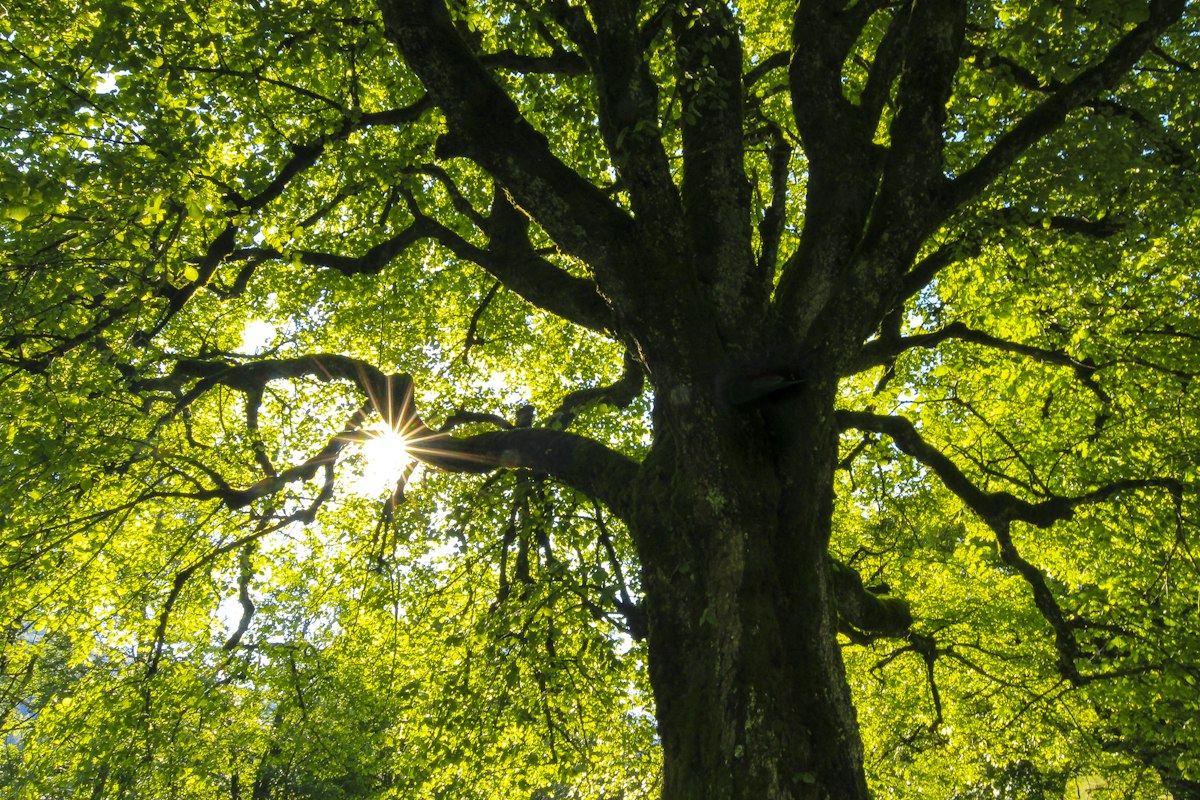
Drive from downtown Menlo Park near Santa Cruz Avenue out toward Sharon Heights or West Menlo and the tree canopy gets thicker with every block — mature valley oaks and coast live oaks that have been there longer than most of the houses. It's part of why the neighborhood is desirable and part of why cars parked under it rarely stay clean for long. Sap and its stickier cousin, honeydew, land on hoods and windshields constantly here, and by the time most owners notice, it's already had a few warm afternoons to bond into the clear coat.
It's Not Always Sap — Sometimes It's Honeydew
Most articles about "tree sap" lump everything sticky together, but Menlo Park vehicles usually deal with two different substances. True sap is a resin that leaks directly from bark or needles — the kind you'll find under redwoods and pines on some of the older estate lots. What lands on cars parked under the valley oaks and coast live oaks lining streets in Sharon Heights and West Menlo is usually something else: honeydew, a sugary liquid aphids and other small insects excrete after feeding on the leaves above. It rains down on anything parked underneath, and left alone it attracts dust, then black sooty mold spores that turn a light film into a genuinely ugly stain. The removal process is the same for both, but knowing which one you're dealing with explains why a car parked under an oak for a single workday can come back stickier than one under a redwood for a week.
Why Menlo Park Cars See More of It
Three things stack up here that don't in flatter, less-landscaped parts of the Peninsula. First, the residential canopy itself — Menlo Park has invested for decades in street trees through West Menlo, Allied Arts, and Sharon Heights, and mature oaks mean more surface area dropping sap and hosting aphids than younger street trees elsewhere. Second, the office parks: Sand Hill Road's venture capital corridor and the surface lots around Stanford Research Park sit under the same oak canopy, so cars — often high-value ones — spend eight or more hours a day parked under trees with zero cover. Third, the lot sizes: larger properties in West Menlo and Sharon Heights mean more mature trees per driveway than a denser city would have.
The Safe Removal Process
- Act within a few days, not weeks. Fresh sap and honeydew wipe off easily. Left through a couple of warm afternoons, both start bonding into the clear coat's texture instead of sitting on top of it.
- Soften it first. Dampen a microfiber cloth with isopropyl alcohol diluted roughly 1:1 with water, and dab it onto the spot rather than rubbing. Let it dwell for 30 to 60 seconds before wiping.
- Never scrape it. A fingernail, credit card edge, or razor blade might lift the spot faster, but it's also the single most common way people put a fine scratch directly into their clear coat.
- For anything already hardened, a clay bar pass lifts bonded residue that alcohol alone won't touch — a $75 add-on to any package, and included standard in the XN Black Full ($399).
- Wash and dry the area once the spot is gone, so no alcohol residue or loosened grit sits on the paint.
- Apply a fresh sealant. It won't stop the next drip, but it makes the next one easier to wipe off before it has a chance to bond.
Skip the gasoline, nail polish remover, and "goo" solvents people recommend online. They can cut through sap fast, but on a factory clear coat they're just as likely to dull the finish, strip a fresh sealant, or leave a cloudy mark that's harder to fix than the sap was. Isopropyl alcohol, used gently, is the safer standard.
Sand Hill Road Logistics, and Mobile Detailing Around Menlo Park
Homes in West Menlo and Sharon Heights almost always have a driveway with an outdoor tap and outlet — the setup a mobile visit needs, and most of what we serve. A car left all day in an office surface lot along Sand Hill Road or around Stanford Research Park is different: zero cover, same oak canopy, and by the time the drive home to Belle Haven or back down 101 is done, that day's honeydew has already had hours to set. If a same-evening wipe-down isn't realistic on your schedule, a monthly membership visit at your home handles it on a set cadence instead. For a building with no outdoor water access — or the same detailing-without-a-driveway logistics anyone in an office corridor deals with — our guide to detailing without a driveway covers it in more depth, and dropping off at our Santa Clara shop, about 20 to 25 minutes via 101 or 280, is always the fallback.
When It's Beyond a Wash
A thorough decontamination and clay bar pass handles the vast majority of sap and honeydew cases, including sooty mold that hasn't been there for months. But if UV exposure has already etched a faint ring into the clear coat itself — visible mostly at an angle, in direct sun — leveling that back to a uniform gloss is a machine polishing job, and that's not something XN offers. We'll tell you plainly if that's what a spot needs rather than book the appointment and let you down. Menlo Park isn't the only Peninsula city dealing with heavy canopy either — the same oak-and-sap problem shows up over in Los Gatos, with a Highway 17 commute layered on top. Comparing detailers or costs before you book? Our breakdown of Bay Area detailing costs covers realistic price ranges.
The products we actually use
Sap and honeydew removal starts with a diluted isopropyl alcohol dab, never a straight solvent, followed by a clay bar pass for anything already bonded. The rest of the wash uses a Chemical Guys pH-neutral shampoo with the two-bucket method, and we finish with a Meguiar's or Gyeon paint sealant that holds for roughly three months against sap, honeydew, and Peninsula sun. Interior work on a full detail uses Chemical Guys fabric cleaners and Meguiar's leather cleaner and conditioner.
None of this is a multi-year protective coating, and we don't sell one — Gyeon is best known industry-wide for that kind of coating, but the Gyeon products we actually use are sealant, glass, and interior only. If sap has already etched a ring into the clear coat, sealant and a careful cleaning won't restore the factory gloss; that's a machine polishing job, and it's outside what XN does. We'd rather say so directly than promise a result we can't deliver.
Frequently Asked Questions
Is oak honeydew the same thing as tree sap?
No, and the difference matters for removal. True sap is a sticky resin that leaks directly from a tree's bark or needles — common under redwoods and pines on older Menlo Park lots. Honeydew is a sugary liquid that aphids and other small insects excrete after feeding on oak leaves, and it rains down on anything parked underneath, which is the more common problem under the valley oaks and coast live oaks along streets in Sharon Heights and West Menlo. Both are sticky, both attract dust and dirt, and both respond to the same gentle removal process.
Will rubbing alcohol damage my paint?
Used correctly, no. Isopropyl alcohol diluted with water on a damp microfiber cloth, dabbed onto the spot and left to dwell for 30 to 60 seconds before wiping, is a standard safe method detailers use. What damages paint is using it full-strength on a bone-dry cloth and scrubbing hard, or reaching for something harsher like acetone or nail polish remover, which can dull or strip a factory clear coat.
How fast does honeydew turn into black sooty mold?
It depends on humidity and how long the car sits, but a sugary honeydew film left for a week or more in the shade under an oak canopy is a realistic timeline for sooty mold spores to take hold, especially in fall when Menlo Park's oaks are shedding both leaves and aphid activity is still active. Once the black mold has set in, a wash alone often just smears it rather than lifting it — it needs a proper decontamination pass.
I park on Sand Hill Road or at Stanford Research Park all day for work — what should I do?
Office surface lots along Sand Hill Road and around Stanford Research Park sit under mature oak canopy with no cover, so a car parked there for an 8-to-10-hour workday can pick up a full day's worth of honeydew before you even start the drive home to Belle Haven or back down 101. Treating it that same evening keeps it from bonding overnight. If that's not realistic on a regular basis, a monthly membership visit at your home in the evening covers it without you having to think about timing.
Can a paint sealant really stop sap and honeydew from bonding?
It doesn't stop the tree from dropping sap or the aphids from feeding — nothing does that. What a fresh sealant changes is what happens after it lands. A smoother, less porous surface means sap and honeydew sit on top of the clear coat instead of soaking into its texture, so the next removal is a wipe instead of a fight. It lasts roughly three months before it needs reapplying.
My car already has faint rings burned into the clear coat from old sap. Can XN fix that?
We'll always tell you honestly what's possible. A thorough decontamination and clay bar pass removes everything that's still sitting on the surface, and it's the right move for the vast majority of sap and honeydew cases. But if UV exposure has already etched a ring into the clear coat itself, leveling that back to a uniform gloss is a machine polishing job, and that's not a service XN offers. We'd rather say so upfront than book a job we can't finish the way you'd want.
Do you serve Belle Haven and the neighborhoods near the Facebook and Meta campus?
Yes, all of Menlo Park, including Belle Haven, Allied Arts, downtown near Santa Cruz Avenue, West Menlo, and Sharon Heights. Most homes have a driveway with an outdoor tap and outlet, which is all a mobile appointment needs — tell us your address when you book and we'll confirm.
How far is Menlo Park from your Santa Clara shop if I need to drop off?
About 20 to 25 minutes via 101 or 280, depending on traffic. If your building along Sand Hill Road or Stanford Research Park doesn't have outdoor water access, or your schedule makes a mobile appointment hard to plan around, dropping off at 1850 Warburton Ave is a straightforward alternative.
Book Sap & Honeydew Removal in Menlo Park
Mobile to your driveway in Sharon Heights or West Menlo, or drop off at our Santa Clara shop — about 20–25 minutes via 101 or 280.
Book Now →