Short answer: Never scrape tar off with a razor blade or fingernail, and skip the WD-40. Soften it first with a dedicated tar and adhesive remover, let it dwell 2 to 3 minutes, then lift it with a soft microfiber towel using light pressure — repeat rather than pressing harder. Wash within a few days of driving Highway 17 or parking on freshly sealed asphalt downtown; tar that bakes in the Santa Cruz sun for a week or two bonds harder and takes more effort — and more risk — to remove. A wash and fresh sealant handles genuine road tar. If a patch has already dulled or stained the clear coat, that's a polishing job, and it's honestly outside what we offer.
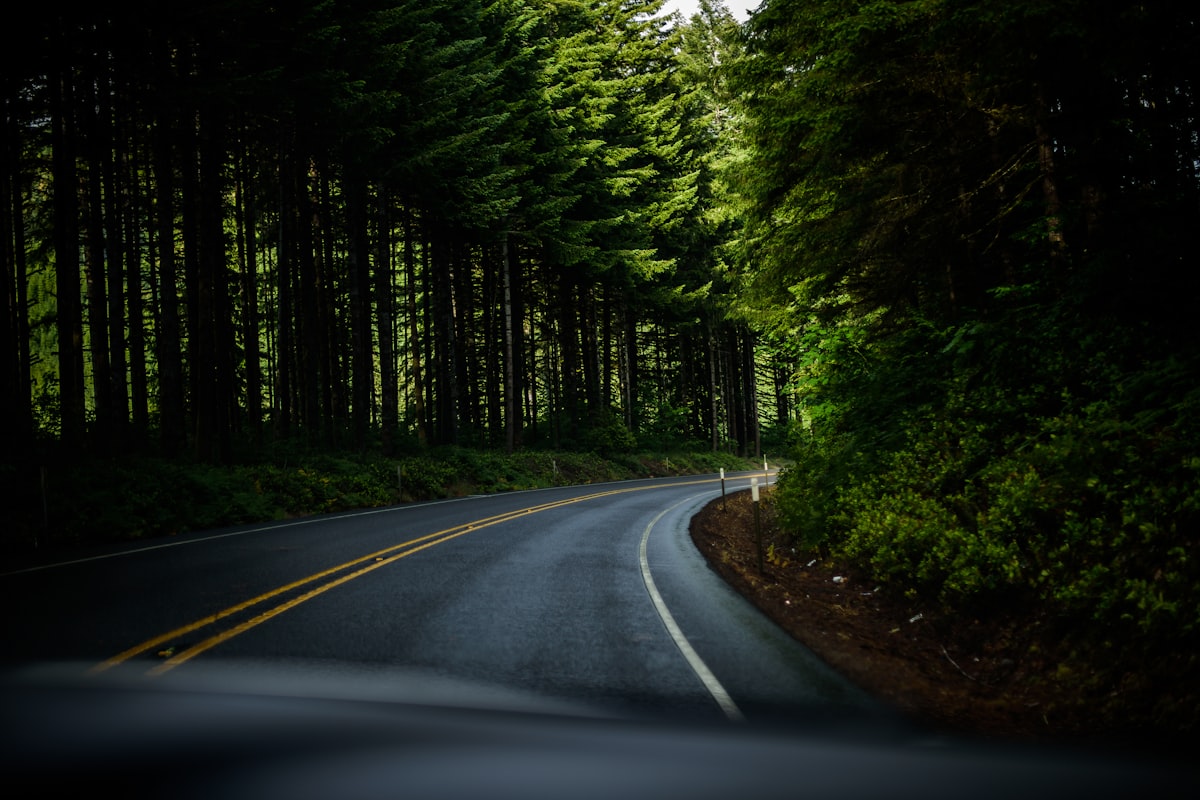
If you drive Highway 17 over the summit to get in or out of Santa Cruz, you've probably noticed something the rest of the Bay Area doesn't deal with as often: fresh black specks on your front bumper, rocker panels, and wheel wells that weren't there before the drive. That's not ordinary road grime. Highway 17 is a two-lane mountain grade carrying an estimated 60,000 vehicles a day, and Caltrans and Santa Cruz County keep it under a rolling schedule of patching, chip-seal, and pavement rehabilitation — work that tends to get scheduled in the dry summer months, which is exactly when the asphalt is softest and most likely to transfer.
It's not just the highway. Downtown lots around Pacific Avenue and Beach Street, plus the municipal lots near the Boardwalk, get resurfaced and restriped ahead of the summer tourist season, and newly laid asphalt sheds loose tar and aggregate onto anything that drives or parks on it before it's fully cured. Between the summit commute and a beach-town parking lot, a Santa Cruz car picks up more actual tar — not just brake dust or grime — than most inland Bay Area driveways ever see.
Why Tar Is Different From Ordinary Road Grime
Regular road film — dust, oil residue, brake dust — sits on top of the clear coat and rinses off with a normal wash. Tar is different: it's a soft, sticky petroleum product that grips onto paint and, if it sits long enough in the sun, slowly works its way into the microscopic texture of the clear coat. Fresh tar from a same-day Highway 17 drive usually lifts off clean with the right product. Tar that's been baked on for a week or two of Santa Cruz sun bonds harder, and at that point people start reaching for the wrong tools.
Don't scrape it, and don't use WD-40. A razor blade or a fingernail dragged across unsoftened tar can cut straight through clear coat, and WD-40 is a petroleum solvent that isn't formulated for paint — it can haze certain plastic trim and leaves an oily film that attracts more dust. Use a purpose-made tar and adhesive remover instead. It's built to dissolve asphalt without attacking the coating underneath.
Removing Fresh Tar Without Marking the Paint
The mistake we see most often on Santa Cruz cars is someone trying to rub tar off dry, right after noticing it in a parking lot near West Cliff or Seabright. Dry rubbing drags whatever grit is mixed into the tar across the paint, which is how a tar spot turns into a scratch. The order of operations matters more than which specific product you grab.
- Rinse the area first. Plain water loosens surface dirt so you're not grinding it into the tar spot in the next step.
- Apply a dedicated tar and adhesive remover and let it dwell for 2 to 3 minutes. This is the step that actually breaks the tar's bond to the paint — skipping it is why people end up scrubbing.
- Lift with a clean microfiber towel, light pressure, working from the edge of the spot inward rather than circular scrubbing.
- Rinse and dry with a separate towel before it air-dries into new water spots — a real concern given how hard Bay Area water already is.
| Method | What actually happens | Verdict |
|---|---|---|
| Razor blade or fingernail scrape | Cuts through softened or unsoftened clear coat if the tar hasn't fully released | The single most common way people scar their own paint |
| WD-40 or household degreaser | Not formulated for clear coat; can haze trim and leaves an oily residue | Skip it — use a real tar remover |
| Dry rub with a shop towel | Drags grit embedded in the tar across the surface | Causes fine scratches, doesn't remove the spot cleanly |
| Soak with tar remover + soft lift | Dissolves the bond chemically before any contact | What actually works, and what we use |
| Left baked on for weeks | Tar etches or stains into the clear coat over time | Beyond a wash — needs polishing we don't offer |
Santa Cruz Logistics: Driveways, Downtown Parking, and What We Need On Site
Most of Pleasure Point, Seabright, and the Westside are single-family homes and duplexes with a driveway and an outdoor tap, which is all mobile detailing actually needs — we bring every product and tool, but we still run off your spigot and a power outlet rather than carrying our own water tank. Downtown near Pacific Avenue is a different story: a lot of that housing stock is apartments and street parking with no outdoor tap available. If that's your situation, tell us when you book and we'll set up a drop-off at our Santa Clara shop instead — about 40 to 50 minutes over Highway 17, depending on summit traffic. We cover the tap-and-outlet requirement in more depth in our mobile detailing vs. car wash comparison.
When It's Beyond a Wash
If your paint already shows a dull, slightly hazed patch where tar sat for a couple of weeks over the summer, a full exterior wash with clay bar decontamination will lift everything that's still liftable, and a fresh coat of sealant leaves the surface smoother so the next tar spot releases easier. What clay and sealant won't do is restore a clear coat that's already been microscopically etched or stained by tar that sat too long — that's a machine polishing job to level the surface back out, and that's not a service XN provides. We'll tell you plainly if that's what you're looking at instead of taking the job and letting you down.
Keeping It From Coming Back
You can't avoid Highway 17 if it's your route in and out of town, and you can't control when the county repaves it. What you can control is the window between a tar-picking drive and your next wash. Rinse within a few days of a summit crossing or a session parked on freshly sealed downtown asphalt, rather than letting a couple of weeks of Santa Cruz sun bake it in. Keeping a sealant current matters here specifically because it changes how tar releases — our detailing frequency guide breaks down how often that makes sense for a mountain commute versus a car that mostly stays local, and if you're crossing the summit daily, a monthly membership usually pencils out better than periodic one-off details.
The products we actually use
Tar removal starts with a plain water rinse and a Chemical Guys pH-neutral shampoo wash to clear loose grit before we ever touch the spot itself — washing with the wrong soap first is a fast way to grind tar-borne debris into paint. The tar itself comes off with a dedicated remover, not a household solvent, dwelled and lifted rather than scrubbed. Once the surface is clean and dry, we finish with a Meguiar's or Gyeon paint sealant that holds for roughly three months, which gives the clear coat a smoother, less porous surface for the next round of Highway 17 tar to fail to stick to.
To be clear about what that sealant is and isn't: it's a polymer layer that helps tar and grime release easier and adds gloss for a few months — it is not a multi-year protective coating, and we don't sell one. If a clear coat is already dulled or stained from tar that sat too long, sealant won't undo that, and neither will we; leveling a damaged clear coat back out means machine polishing, which is outside what XN offers, and we'd rather say so upfront than take a job we can't finish right.
Frequently Asked Questions
Why does Santa Cruz get more road tar on cars than other Bay Area cities?
Two reasons stack up here. Highway 17 over the summit gets patched and chip-sealed on a rolling basis because it's a mountain grade carrying roughly 60,000 vehicles a day, and fresh chip seal throws loose tar and aggregate onto anything following behind it. Add Highway 1's coastal stretches and the parking lots around the Boardwalk and Beach Street, which get resurfaced and restriped in the summer tourist season, and a Santa Cruz car has more contact with soft, fresh, or newly patched asphalt than a car that only ever sees inland surface streets.
Is it worse in summer?
Yes, for two separate reasons. Heat itself softens asphalt binder, so existing pavement is more likely to transfer tar onto tires and lower body panels on a hot day. Summer is also when Caltrans and the county schedule paving and chip-seal work on Highway 17 and Highway 9, because road crews avoid winter rain windows — so the roads are more likely to be freshly worked on exactly when the asphalt is softest.
Can I use WD-40 or a razor blade to get tar off my car?
Skip both. A razor blade can cut straight through clear coat if the tar isn't fully softened first, and WD-40 is a petroleum-based solvent that can haze or soften certain plastic trim and isn't formulated for paint. Use a dedicated tar and adhesive remover instead — it's made to break down asphalt without attacking the clear coat, and it won't leave the oily residue WD-40 does.
How long can tar sit on my car before it's a problem?
Fresh tar wipes off fairly easily with the right remover. Give it a week or two of Santa Cruz sun baking it onto the clear coat and it bonds harder, taking more product and more agitation to lift — which raises the risk of swirl marks if you're scrubbing instead of soaking. If tar has been ground in by driving on it for weeks, in rare cases it can leave a faint stain or dulled patch in the clear coat that a wash won't fully restore, and that level of correction is outside what we offer.
Do you serve Pleasure Point, Seabright, and the Westside?
Yes, all of Santa Cruz. Most of Pleasure Point, Seabright, and the Westside are single-family homes and duplexes with driveway access to an outdoor tap and outlet, which is all mobile detailing needs. Downtown near Pacific Avenue leans toward street parking and apartments without a tap — if that's you, drop off at our Santa Clara shop instead, about 45 minutes up Highway 17.
Will a paint sealant stop tar from sticking in the first place?
It won't stop tar from landing on the car, but it changes how it releases. A fresh sealant gives the clear coat a smoother, less porous surface, so tar sits on top instead of bonding into microscopic texture, and it wipes off with less product and less agitation. It's not immunity — you still need to wash it off in a reasonable window, not months later.
My car already has dull, hazy patches where old tar sat — can you fix that?
We want to be honest about this rather than take the job and disappoint you. A dulled or hazed patch from long-bonded tar usually means the clear coat has been microscopically etched or stained, and correcting that back to a level, glossy finish is a machine polishing job. XN doesn't offer machine buffing or abrasive paint restoration. What we can do is a full decontamination wash and clay treatment to remove everything that will come off, and a fresh sealant so it looks as good as it can and stops getting worse.
How far is Santa Cruz from your Santa Clara shop?
About 40 to 50 minutes over Highway 17, depending on the summit traffic. We come to your Santa Cruz address first — the Santa Clara shop is there as a drop-off option for anyone without outdoor water and power on site.
Book a Tar & Grime Wash in Santa Cruz
Mobile to Pleasure Point, Seabright, and the Westside — or drop off at our Santa Clara shop, 40 to 50 minutes over Highway 17.
Book Now →