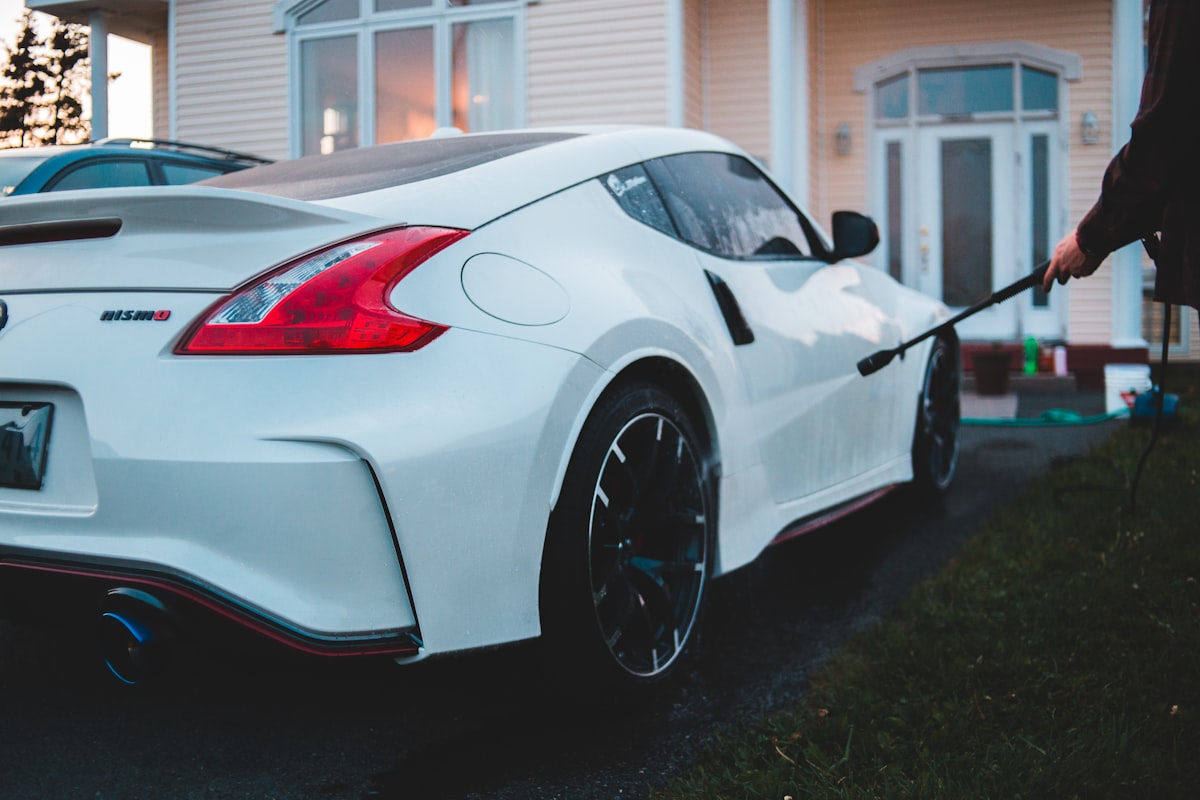
Short answer: Yes, if you're keeping the car for years, selling it soon, or you genuinely hate cleaning it yourself — the cost buys back time, protects the paint's resale condition, and does things a $15 tunnel wash structurally can't (hand contact on every panel, interior work, decontamination of bonded grime). No, if the car is old, low-value, and you're not selling — a basic wash covers the protection you actually need, and a full detail's cost won't come back to you. It's not a universal yes. It's a yes for specific, common situations, and we'd rather tell you which one you're in than sell you the service regardless.
Search "is car detailing worth it" and almost everything that ranks is written by a detailer, which means almost everything says yes, without much interest in when the honest answer is no. We run a detailing business in the Bay Area and we still think that's a bad way to answer the question. So here's the actual breakdown: what a detail costs, what it gets you that a car wash doesn't, when the math works, and when it genuinely doesn't.
What You're Actually Paying For
"Detailing" gets used loosely, so it's worth being precise. A gas station or tunnel wash runs $10-$20, takes five minutes, and cleans the painted surface with either automated brushes or high-pressure jets and chemicals — no hand contact, no interior work, nothing that touches wheel wells, door jambs, or trim. A hand wash with a proper two-bucket method runs closer to $100-$150 and gets human eyes and a mitt on every panel, which is the only way to catch and safely lift bonded contaminants like tar, tree sap, or bird droppings before they etch the clear coat. A full detail — hand wash plus a complete interior clean — is where most of what people mean by "detailing" actually lives, and that's where the real cost sits.
What a $15 Wash Actually Misses
This is the part most "yes it's worth it" articles skip, because it requires admitting the cheap option does something. It does — a tunnel wash removes surface dirt and makes a car look presentable in five minutes, and for a lot of people that's genuinely enough. What it structurally cannot do is catch problems before they become damage. Automated brushes clean every car with the same equipment regardless of what's stuck to the paint, which means bonded tar, tree sap, or dried bird droppings either don't come off or get dragged across the clear coat by the same brush that just hit a dirtier car ahead of you. There's no human checking for that. A hand wash exists specifically to catch what a machine can't see.
| What you get | $15 tunnel wash | DIY hand wash | XN hand wash + detail |
|---|---|---|---|
| Removes surface dirt | Yes | Yes | Yes |
| Catches bonded tar / sap / droppings before they etch | No — brushes miss or spread it | Depends on skill and product | Yes — checked panel by panel |
| Interior vacuum, wipe-down, glass | No | Yes, if you do it | Yes, included |
| Door jambs, wheel wells, trim | No | Rarely done thoroughly | Yes |
| Your time cost | ~10 minutes | 2-4 hours | 0 — we come to you |
| Paint sealant applied | No, or a cheap spray wax | Only if purchased separately | Yes, 3-month sealant |
When It's Genuinely Worth It
- You're selling or trading in soon. A clean, detailed car removes an easy negotiating point and photographs better for a listing. We go deeper on the actual resale math in should you detail your car before selling it.
- You're keeping the car for years. Regular hand washing and sealant protect the clear coat from exactly the kind of bonded contamination — tar, sap, hard water spots — that a tunnel wash can't catch and that gets more expensive to deal with the longer it sits.
- You commute on grimy roads or park under trees. Brake dust corridors, coastal salt air, or heavy tree canopy accelerate the kind of buildup a monthly or quarterly professional wash actually keeps ahead of.
- Your time is worth more than the labor. A proper hand wash and full interior takes us 2-4 hours. If that's a Saturday you'd rather not spend on your knees in a driveway, that's a legitimate reason on its own — not a lesser one than resale value.
- You just want to enjoy the car. Comfort and pride of ownership are a real return even if they don't show up on a spreadsheet. We're not going to pretend that doesn't count.
When it's honestly not worth it: an older, low-value car you're driving until it dies, with no resale event coming. The math doesn't work — you won't recoup a $299 detail in a car worth a few thousand dollars, and comfort is the only return left on the table. A basic wash and occasional interior vacuum still protects the paint adequately for a car in that situation. Save the full detail for a car you're keeping seriously or selling soon.
DIY vs. Paying a Pro
A basic exterior wash and interior vacuum is a reasonable DIY project if you have a weekend afternoon, a two-bucket method, and the patience to work in the shade rather than direct sun. Where DIY gets genuinely risky is technique-dependent work: clay bar decontamination done with too much pressure or the wrong lubricant can mark paint instead of cleaning it, and leather or fabric stains often need the right dwell time with the right product rather than more scrubbing. Most people who DIY are optimizing for cost, which is a completely fair trade. Most people who pay a pro are optimizing for time, consistency, and not risking a mistake on technique they don't do often enough to be good at. Neither is the "correct" choice — it depends what you're actually trying to buy.
What You're Not Buying From Us
Part of an honest answer is being specific about what "detailing" doesn't include, because a lot of the value confusion online comes from conflating detailing with services that cost far more and solve different problems. A hand wash and sealant clean, protect, and maintain a healthy clear coat — they don't restore paint that's already visibly damaged. If a car has deep scratches or oxidation that a wash won't lift, that's paint restoration work, a different service and price point that we don't do. We'll tell you plainly if that's what you're looking at rather than sell you a detail that won't solve it. What we're built for is staying ahead of that damage in the first place: regular washes and sealant keep a healthy clear coat healthy, so it never gets to the point of needing restoration.
The products we actually use
Every wash starts with a Chemical Guys pH-neutral shampoo through a two-bucket method, which is the single biggest reason a hand wash doesn't introduce the fine scratches an automated brush can. Interior work uses Chemical Guys fabric and interior cleaners for upholstery and dash surfaces, and Meguiar's leather cleaner and conditioner on leather seats — conditioning that actually keeps leather from cracking rather than just wiping it down. Every exterior finishes with a Meguiar's or Gyeon paint sealant that lasts roughly three months, and Gyeon's glass and interior line handles interior glass on request.
That sealant is a wax-and-polymer layer that adds gloss and helps grime release easier for a few months — it is not a multi-year protective treatment, and we don't sell it as one. If you're comparing our pricing against a shop quoting a longer-lasting protective coating, you're comparing two different services at two different price points, and we'd rather say that upfront than blur the line.
Frequently Asked Questions
Is car detailing worth it for an old or low-value car?
For a car worth under a few thousand dollars that you plan to drive until it dies, a full detail is a harder sell financially — you likely won't recoup the cost in resale value, and comfort is the only real return. A basic wash and occasional interior clean still protects the paint and keeps the cabin from deteriorating, and that's worth doing regardless of the car's value. Save the full detail and clay treatment for a car you're keeping for years or selling soon.
How much value does detailing actually add when selling a car?
There's no fixed percentage that applies to every car, but the honest mechanism is this: buyers and dealers use visible condition as a proxy for mechanical condition, even when the two aren't related. A clean, detailed car photographs better, gets more inquiries, and gives a buyer or appraiser one less reason to negotiate down. On a $15,000-$30,000 used car, a $299-$399 detail that removes an obvious negotiating point is usually cheap insurance, not a guaranteed dollar-for-dollar return.
Is a $15 car wash basically the same as detailing?
No, and the difference isn't marketing — it's mechanical. A tunnel or touchless wash cleans the painted surface with either spinning brushes (which can mark paint if they're dirty) or high-pressure jets and chemicals with no hand contact to catch missed spots. It never touches wheel wells, door jambs, interior surfaces, or trim, and it doesn't remove bonded contaminants like tar or tree sap. A hand wash with a two-bucket method and a clay decontamination step gets contact with every panel and catches what a machine can't see.
How often should I actually pay for a full detail?
For most Bay Area daily drivers, every 3 to 4 months keeps a car from ever looking neglected, with a wash in between. Commuters on grimy corridors or anyone who parks under trees benefit from monthly maintenance instead. Our detailing frequency guide breaks the interval down by driving situation.
Should I detail my car myself instead of paying for it?
A basic exterior wash and interior vacuum is genuinely fine to DIY if you have the time, a two-bucket method, and the patience to do panels in the shade. Where DIY struggles is anything requiring dwell time and technique — clay decontamination, leather conditioning, or ground-in stains — because the wrong product or too much pressure can do real damage. Most people who detail their own car are optimizing for cost, and that's a legitimate reason. Most people who pay a pro are optimizing for time and consistency, and that's equally legitimate.
What's included in XN's full detail, specifically?
XN Standard Full ($299) is a complete hand wash exterior plus full interior clean — vacuuming, wiped-down surfaces, glass, and a wipe on leather or fabric. XN Black Full (from $399) adds a clay bar decontamination pass and a deeper steam clean on top of everything in the Standard Full. Neither includes long-term protective coatings or paint restoration work — those aren't services XN offers. See the full package breakdown on our Bay Area detailing cost guide.
Is mobile detailing worth paying more for than a drop-off shop?
The service itself is identical — we bring the same products and process to your driveway that a shop would use on their own lot. What you're paying for with mobile is not losing half a day to a waiting room. If you'd rather drop the car off, XN also takes drop-offs at our Santa Clara shop, so it's not an either-or with us specifically — but compared to a shop-only competitor, mobile removes the single biggest time cost of detailing.
Get a Straight Answer for Your Car
Tell us your situation and we'll tell you honestly whether a wash, a full detail, or nothing is the right call.
Book Now →